
Lunatic Songwriter Releases 100-Song, Eight-Hour, Live In-Studio Album
Inside the coffee-addled decision, the Hobbit infested redwoods, the songbook, and the people who made sure no one got hurt
THIS IS YOUR BRAIN ON NUGS
Brad, nugs, and the Long Game of Paying Attention
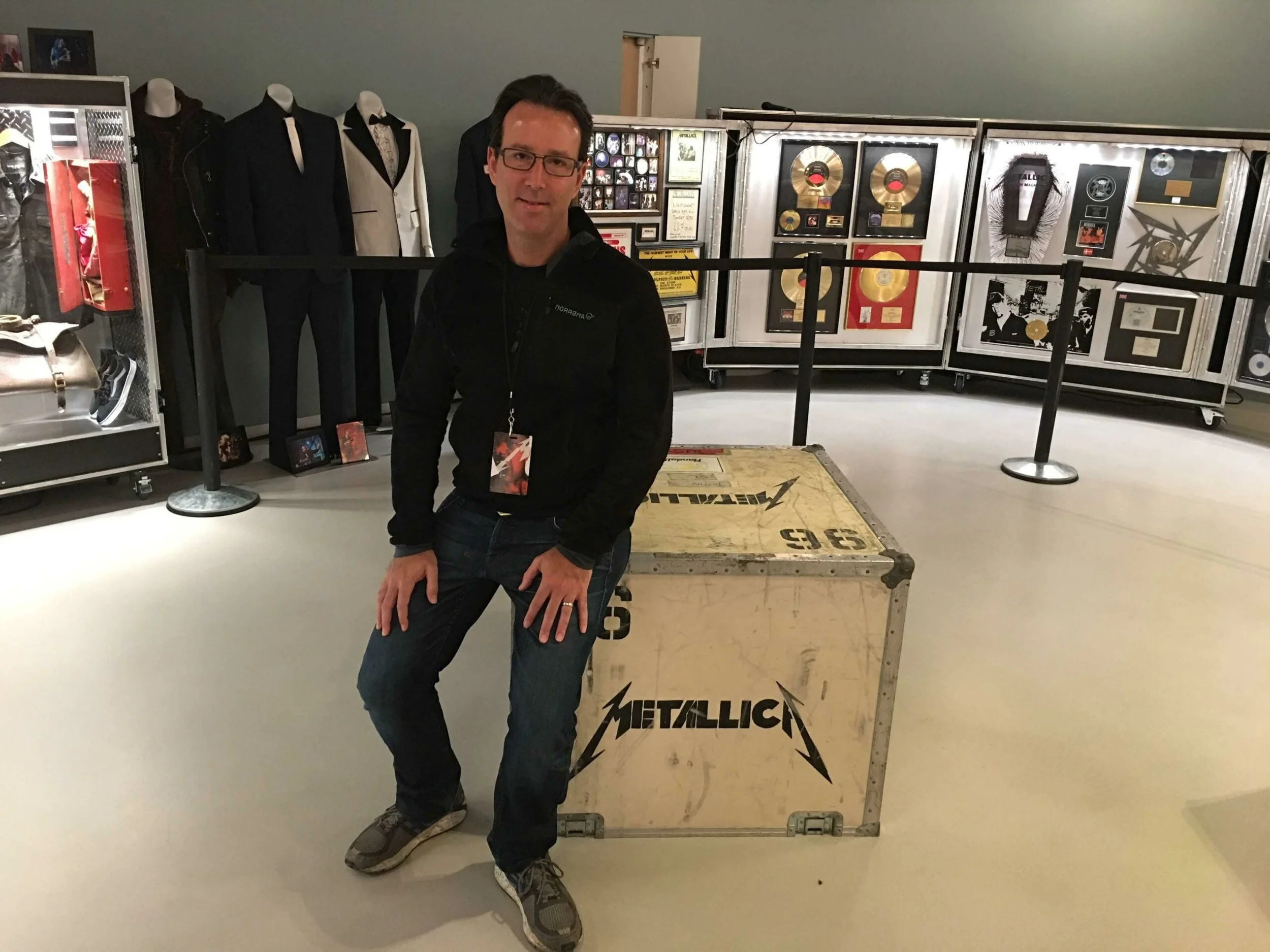
This Is What I Saw is being featured on nugs starting Jan 20 2026, and that alone feels worth pausing to acknowledge. Not in a self congradulator I just won a Grammy way which goes something like this “Oh my good – I’m so drunk (and stuck in a Ketamine hole) do I look fat in this dress? – I mean I know I’m gorgeous and so so so. so very talented, (and stuck in a Ketamine hole) but i have to thank my entire team - THANK YOU JESUS”. This is more like a handshake moment from someone you really admire. Brad Serling is, a friend, a sweathear and at heart, a Deadhead who never stopped paying attention. He came up in the era of cassette tape trading, when preserving a live moment meant flipping tapes, watching levels, and hoping you caught lightning without ruining it. That obsession—with the moment, with fidelity, with getting it right—never went away. It just went legit.
From those early days to launching LivePhish, to Metallica, Springsteen, Pearl Jam, Dead & Company, Billy Strings, Goose, and a long list of artists still finding their way, Brad followed one simple idea: live music matters because it only happens once. Each performance is wild, unrepeatable, and gone the second it ends. If you’re going to preserve it, you owe it respect. High fidelity isn’t a feature for Brad—it’s a compulsion. nugs was built around the belief that sound quality, attention, and care aren’t extras; they’re the whole point. Whether it’s livestreams, archival recordings, or shows you download because you need to live them, the goal is always the same: get you as close as possible to being there.
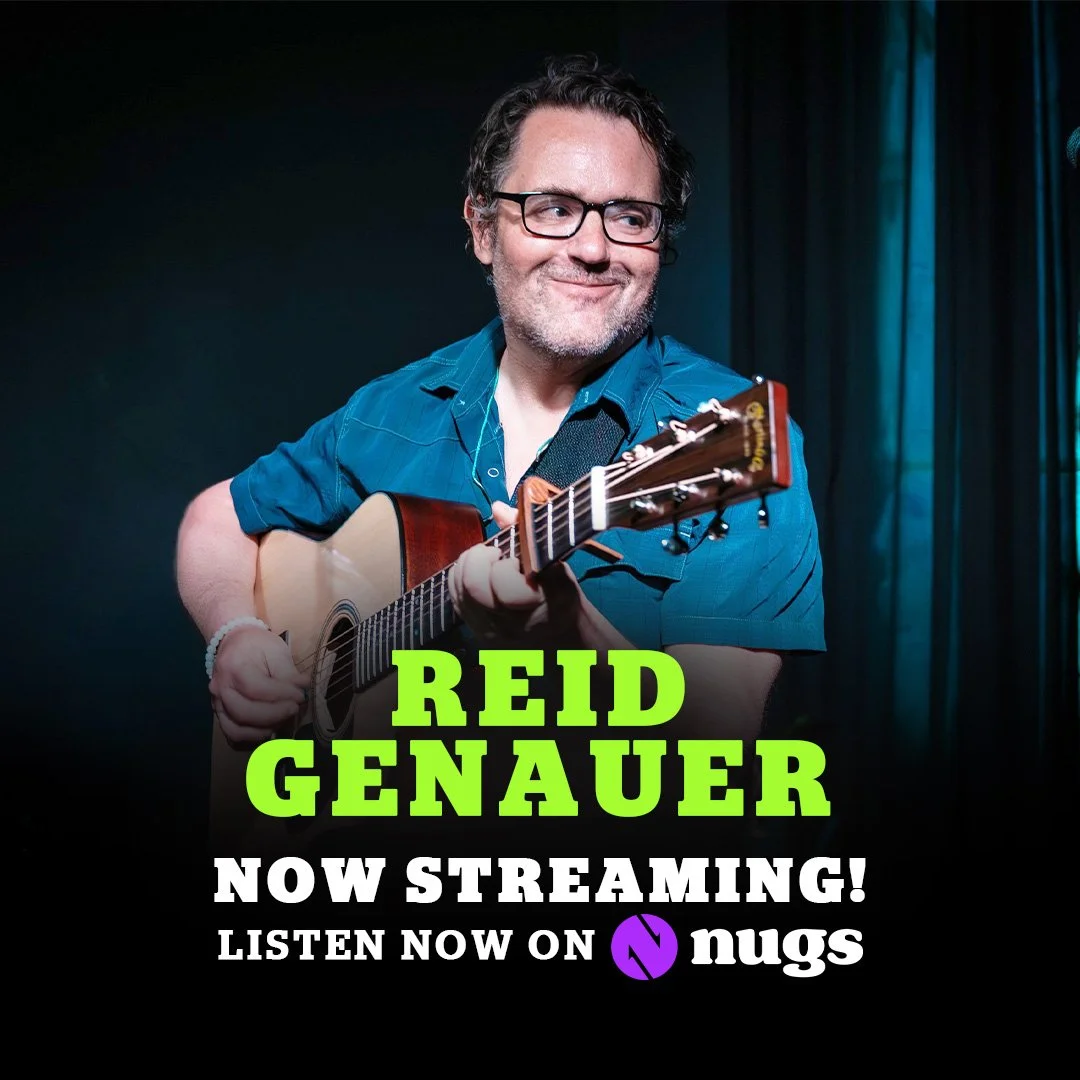
That’s why nugs isn’t just a platform—it’s an epicenter. One of the gravitational hubs that keeps authentic American music alive. Bands, fans, venues, festivals, nights you remember because something actually happened. So having This Is What I Saw land there first doesn’t feel like validation so much as recognition. A quiet nod that says, yeah, this belongs here. This is what I saw is eight-hours, 100-song record recorded live – true to Brad Serling rules to live by. You don’t need to listen to it all at once. You don’t need to listen in order. Drop in. Sit with one song. Follow a thread. This isn’t an endurance test it about being there, living the moment of the song. Warning: Should you choose to engage in a more committed fashion It has the potential to be a much longer conversation bring warm clothing, sleeping bag, three season tent, water, G.O.R.P, a small first aid kit, wine cheese and Ramon noodles.
THE STREAM THAT STARTED THE SONGS
I’ve been writing songs for as long as I can remember—long before I could actually play the guitar. In third grade I wrote a song called I Know a Girl Named Jenny and my buddy Danny and I dressed up as the Beatles and sang it to the entire class. Same year I wrote new words to the Chariots of Fire theme. I didn’t know I was “songwriting.” I just felt magnetically pulled toward it. It felt like fireworks plus—a buzz, a rush—and somehow, at the same time, it soothed me. There’s a line in a much later song of mine that says “keep me safe and I’ll keep you wild,” and that’s always been it for me. Music has been the place where I can be completely unfettered and completely safe. Some of the songs in This Is What I Saw—including a few in Scene One—were written when I was a teenager: Angry at the Son at 15 (never formally recorded until now), Crest of My Wing at 16, Alaska at 17, 40 Reasons at 18. I wasn’t chasing a career. I wasn’t building a catalog. I was chasing the feeling of the process later some of these songs made their way to Strangefolk and Assembly of Dust both bands have persisted under the umbrella, the permission and the privilege of “In process” and so I still am. More on that to come later in —— the process of releasing these songs. Both bands live shows can be found in high fidelity on nugs - Assembly of Dust | Strangefolk
I’M A LEMMING: THE CRAFT AND COMPULSION OF SONG WRITING

At some point I stopped pretending songwriting was a choice. It’s craft, sure. It’s practice. It’s conversation. But it’s also compulsion. One hundred percent. When I made my last studio record, Angels and Alibis, my eighty-something-year-old dad asked me, “Why are you making another record? You already have so many.” I told him, “Why do lemmings run off cliffs? It’s what they do.” That answer still holds up.
Early on I just wrote whatever came out. I wasn’t consciously aware of craft, but in hindsight I was modeling what I loved—the Beatles, Crosby Stills & Nash, and later a central influence for me: Garcia/Hunter. I say that deliberately, separate from the Grateful Dead, because stripped of the band and the improvisation those songs still stand as one of the great American songbooks ever written. Practice and craft are really two sides of the same coin—you paint a whole song, admit when one sucks, paint over it, and try again. I wrote Bus Driver before I was twenty; originally it went “If I was a bus driver would you still love me…”—it sucked. But I kept the name. Not sure why.
Songwriting is one of the few places you’re actually rewarded for being publicly emotional, especially as a man. Look at Bob Marley, Eddie Vedder, Aretha Franklin, Ray Charles, Jerry Garcia—what connects isn’t polish, it’s raw, sometimes messy emotion. And then there’s the storytelling part. Creating characters. Inhabiting them. Borrowing their boots for a minute. Songs are mirrors. People step inside them. Including the guy who wrote them.
BUILD US A SONG TO HOLD THE SOUND
Please bring a cold beer and a cheeseburger when you come. I’m starving out here awaiting your arrival.
The sessions happened at Sloth Mountain Studios in La Honda, perched on a mountainside in the Santa Cruz Mountains, surrounded by redwoods peering down toward a stream. The place feels like a room in my home because Brian Sagrafena designed it that way. Inside there’s great art, a heart that says “fuck you,” and the best gear I’ve ever used—every vintage amp, pedal, preamp, drum you can imagine, all immaculate. Brian is six-foot-two, bearded, a badass drummer, but there’s something paternal about him. The fridge is always stocked with things you wouldn’t expect, and around six every night a beer or a glass of wine gets cracked and suddenly this cigarette-smoking drummer is cooking salmon with demi-glace and white asparagus. My kids were there. Jason Cirimele kept everything moving. During Harrower I looked up and saw Brian, Jason, and my kids watching from the control room—not just watching, in it with me. It felt like family. Even though I was playing alone, I wasn’t alone. The music still played the band.
⸻
An Invitation
You don’t need to listen to this all at once. You don’t need to listen in order. Just drop in. Sit with one song. Follow a thread. Crank it in the car or let it hover quietly as you sit in your living room. The target is Brad Serlings rule to live by be in the moment of the song - if only for a moment.
Reid Genuer - Songbook Builder